
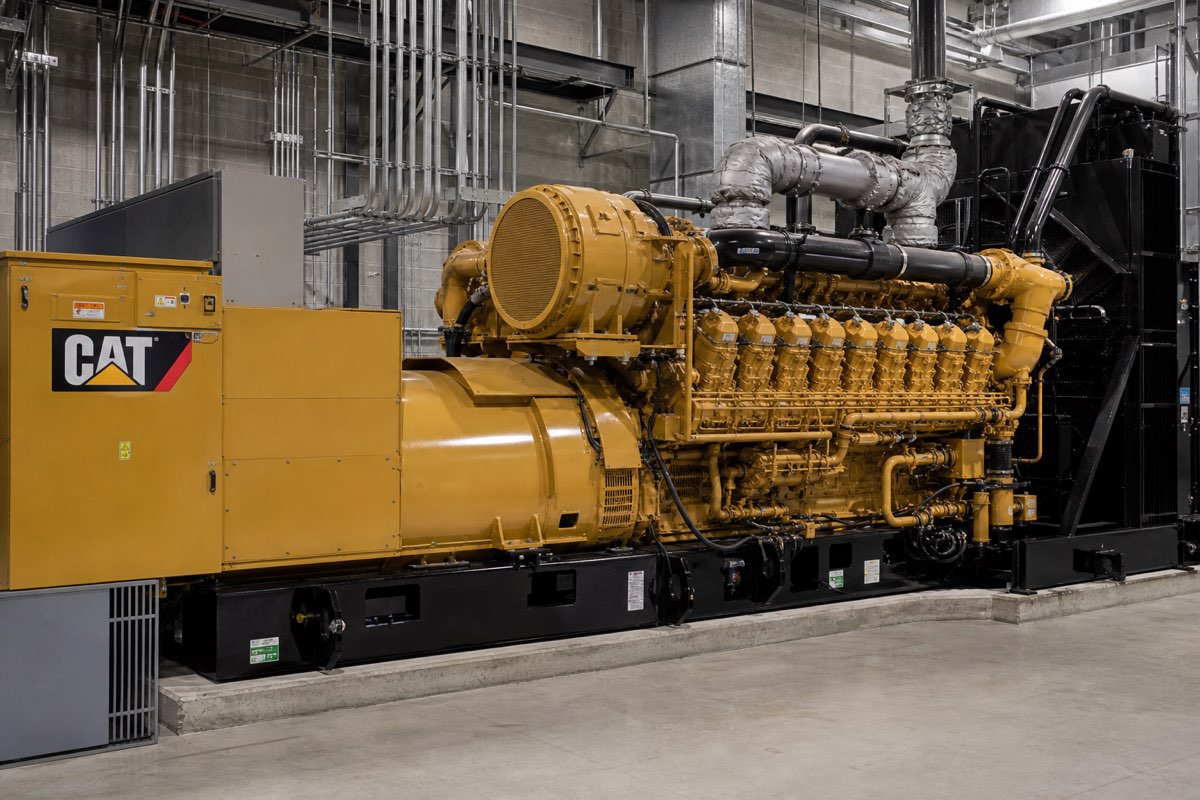
Industrial generator rental cost
Industrial generator rental typically runs roughly $5,000 to $22,000 a month before fuel, switchgear, and emissions-tier costs, with smaller towable units starting around $1,500. The sections explain what moves the number. We do not set prices, we route your request to vetted providers who each quote independently against your job.
By Industrial Rental Co Editorial Team Reviewed July 2026
- Monthly rental ranges by generator kilowatt capacity
- Cost drivers explained: capacity, emissions tier, switchgear, fuel
- Switchgear, paralleling cable, and fuel tanks are billed separately
- Independent quotes from insurance-verified providers
What industrial generator rental costs
| Generator capacity | Typical monthly rental range |
|---|---|
| 25 to 150 kW | $1,500 to $4,500 |
| 150 to 500 kW | $3,500 to $9,000 |
| 500 kW to 1 MW | $8,000 to $18,000 |
| 1 to 2 MW | $15,000 to $35,000 |
| 2 MW+ (parallel banks) | $30,000 to $70,000+ |
Ranges are estimates for planning only, not quotes. Each provider prices independently based on the specific equipment, location, rental duration, emissions tier, switchgear, and fuel logistics. Use these figures to budget, then submit a request to get firm numbers for your job. Rates last reviewed June 2026; figures are typical ranges from third-party providers, not quotes, and vary by region, duration, and availability.
How kilowatt capacity drives the rental rate
Capacity is the first thing that moves a generator rental rate, measured in kilowatts (kW) or, on larger units, megawatts (MW). A small towable in the 25 to 150 kW band rents for far less than a 1 MW unit, and multi-megawatt projects built from paralleled units sit higher again, because larger generators cost more to own, transport, and service. The table above reflects those steps.
Sizing matters more on generators than almost anywhere else, because a unit that is undersized cannot start your largest motor load and one that is oversized burns fuel inefficiently. The starting surge of motors and the nature of your load both affect the size you actually need, not just the running watts. Sharing your load schedule, the largest motor, and whether the load is critical lets providers size correctly and land you in the right row rather than guessing high to be safe.
- Kilowatt capacity is the primary rate driver
- Motor starting surge can drive the size above running load
- Multi-megawatt needs are met by paralleling several units
- Correct sizing avoids both shortfalls and wasted fuel
Tier 4 compliance, switchgear, and paralleling
Two things beyond raw capacity move a generator quote. The first is the emissions tier: EPA Tier 4 final units, often required in California and other strict jurisdictions and on many regulated sites, typically carry a premium of roughly 15 to 25 percent over comparable older-tier diesels because of the after-treatment they carry. Naming your jurisdiction and any site emissions requirement up front avoids a quote that has to be redone once compliance is checked.
The second is the connection. A standalone generator on a simple feed is one thing, but switchgear, distribution, paralleling cable, and the engineering to tie units together to share load are common separate line items, especially on critical-facility and data-center work. Transformers and cable runs add to it. Telling providers how the generator ties into your system, and whether paralleling or automatic transfer is needed, keeps the quote complete rather than leaving the connection scope for delivery day.
- EPA Tier 4 final units carry roughly a 15 to 25 percent premium
- Switchgear, distribution, and paralleling cable are separate items
- Paralleling several units shares load on larger projects
- Transformers and cable runs add to the connection scope
Fuel logistics and how rental length changes the total
Diesel fuel is a separate, usage-based cost that the rental rate does not include, and on a generator running long hours it can rival the rental itself. Fuel logistics, the tanks, the scheduled deliveries, and the monitoring that keeps a unit from running dry, commonly add roughly $2,000 to $8,000 a week depending on load and run hours. A generator on standby that rarely runs burns little, while one carrying a continuous load runs through fuel steadily, so your expected run hours are central to a realistic total.
Rental duration shapes the effective price as much as the equipment. Longer commitments usually carry better effective monthly rates because mobilization, switchgear setup, and tie-in are spread across more time on rent. A short emergency rental and a multi-month project rental of the same unit can land at very different monthly equivalents. Sharing your expected term and run profile lets providers quote a rate and a fuel plan that reflect the real job rather than a short-term default.
- Diesel fuel is a separate, usage-based cost
- Fuel logistics commonly add roughly $2,000 to $8,000 per week
- Run hours decide how much fuel the job actually burns
- Longer terms generally improve the effective monthly rate
Common questions
How much does it cost to rent an industrial generator per month?
It depends heavily on kilowatt capacity. A small towable in the 25 to 150 kW range often runs roughly $1,500 to $4,500 a month, a 500 kW to 1 MW unit lands around $8,000 to $18,000, and multi-megawatt parallel banks can reach $70,000 or more. Those figures are the rental base only. Tier 4 compliance, switchgear, and fuel are separate, and every provider prices independently against your specific job.
What is the Tier 4 premium on a generator rental?
EPA Tier 4 final units carry after-treatment to meet strict emissions limits, and that typically adds a premium of roughly 15 to 25 percent over comparable older-tier diesels. Tier 4 is often required in California and other strict jurisdictions and on many regulated and urban sites. Naming your jurisdiction and any site emissions requirement at the request stage avoids a quote that has to be redone once compliance is verified.
Is fuel included in the generator rental rate?
No. Diesel fuel is a separate, usage-based cost, and on a unit running long hours it can rival the rental itself. Fuel logistics, including tanks, scheduled deliveries, and monitoring, commonly add roughly $2,000 to $8,000 a week depending on load and run hours. A standby unit that rarely runs burns little, while one carrying a continuous load runs through fuel steadily, so your expected run hours are central to a realistic total.
What is switchgear and why is it a separate cost?
Switchgear is the equipment that connects and distributes the generator's power and, where needed, ties multiple units together to share load, which the trade calls paralleling. On standalone jobs it is minimal, but on critical-facility, data-center, and multi-megawatt work it is a real and separate line item along with distribution and paralleling cable. Telling providers how the generator ties into your system keeps the connection scope in the quote rather than surfacing on delivery day.
Does a longer rental lower the monthly rate?
Usually the effective monthly rate improves with a longer commitment, because mobilization, switchgear setup, and tie-in are spread across more time on rent. A short emergency rental and a multi-month project rental of the same unit can work out to very different monthly equivalents. Sharing your expected term and run profile lets providers quote a rate and a fuel plan that reflect the real job rather than a short-term default.
Are these generator rental cost estimates guaranteed prices?
No. The figures on this page are planning estimates only, meant to help you budget, not firm quotes. Each provider prices independently based on the specific equipment, your location, the rental duration, emissions tier, switchgear, and fuel logistics. To get real numbers, submit a request and we route it to vetted providers who quote against your actual job. Response times vary by location and provider availability.
Industrial generator rentals
Where we route industrial generator rentals
Get matched with generator rental providers
Your specs go on file with us, and we run the search for you, free of charge. Because we don't own the equipment, the match is about your needs, not our inventory. Response times vary by location and provider availability.